
Dubai, a city synonymous with opulence and technological marvels, faced an unexpected twist when its pride and joy, the Dubai Lamps, were banned. Let’s unravel the mystery behind the illegalization, delving into the environmental, health, and legal intricacies that cast a shadow on these once-celebrated lights.
The Rise of Dubai Lamps
Brief Overview
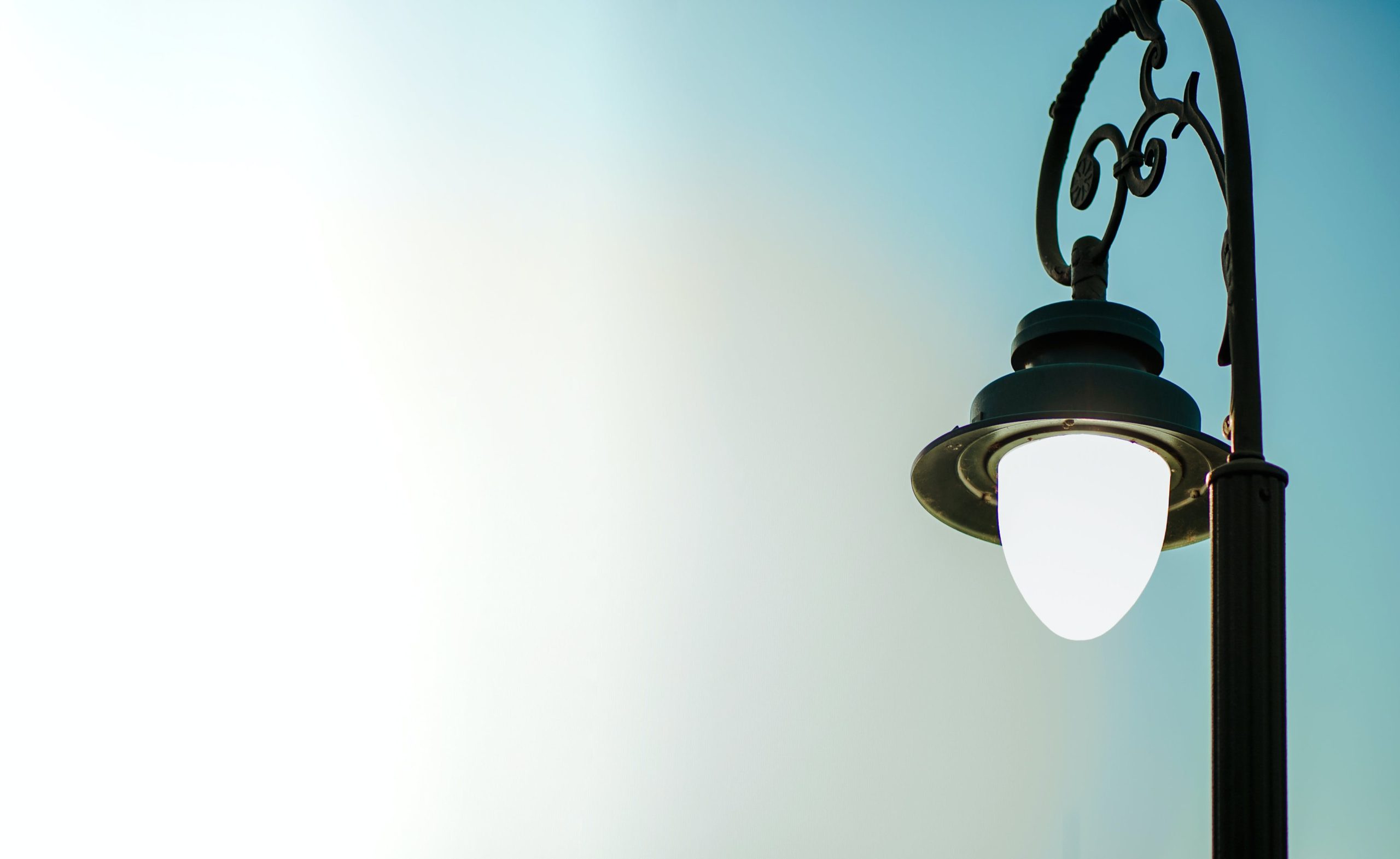
Dubai Lamps burst onto the scene, promising a radiant future with their energy efficiency and prolonged lifespan. These were not just light bulbs; they were hailed as the epitome of sustainable lighting, a symbol of Dubai’s commitment to leading the way in cutting-edge technology.
Initial Acceptance
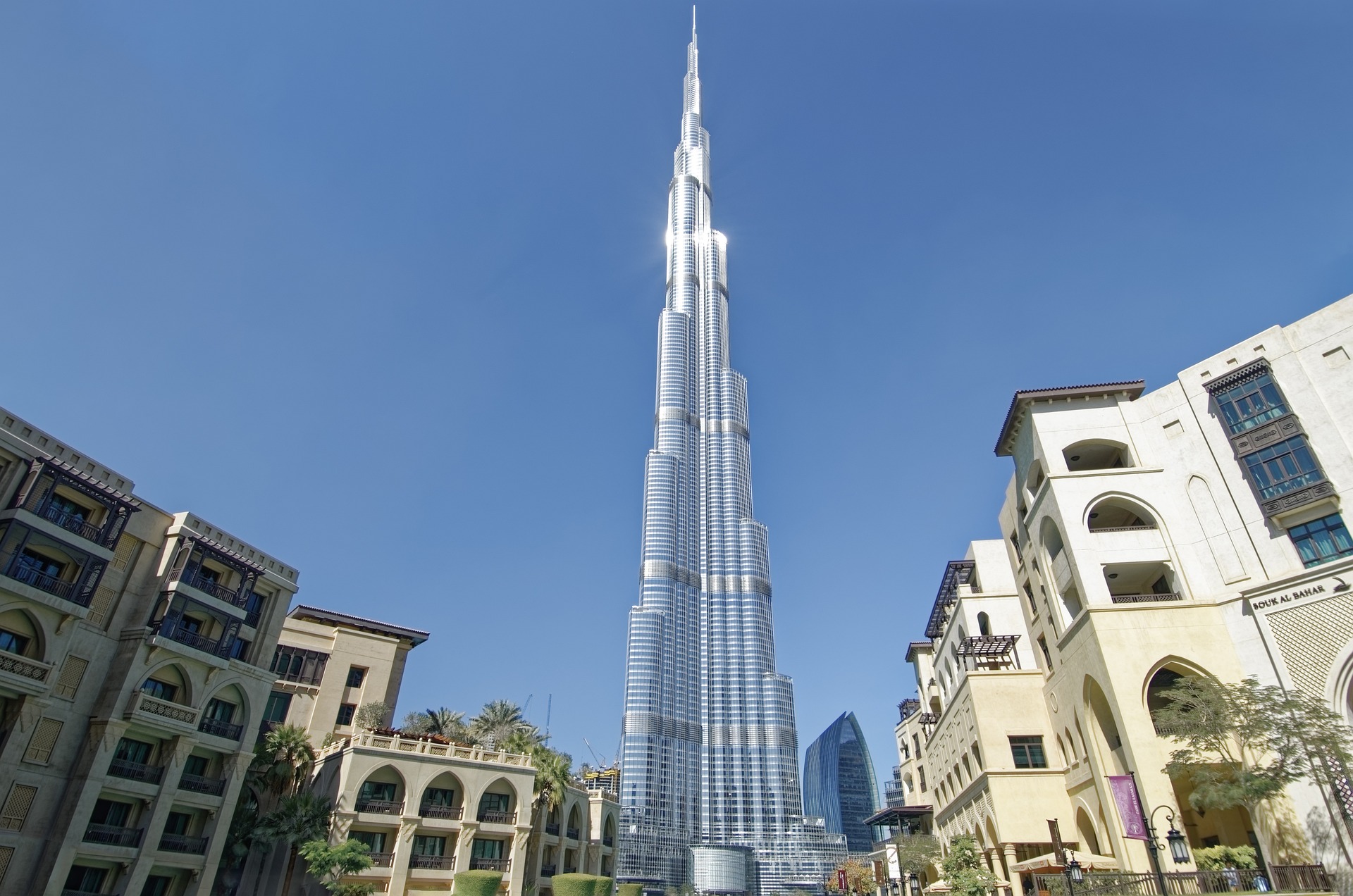
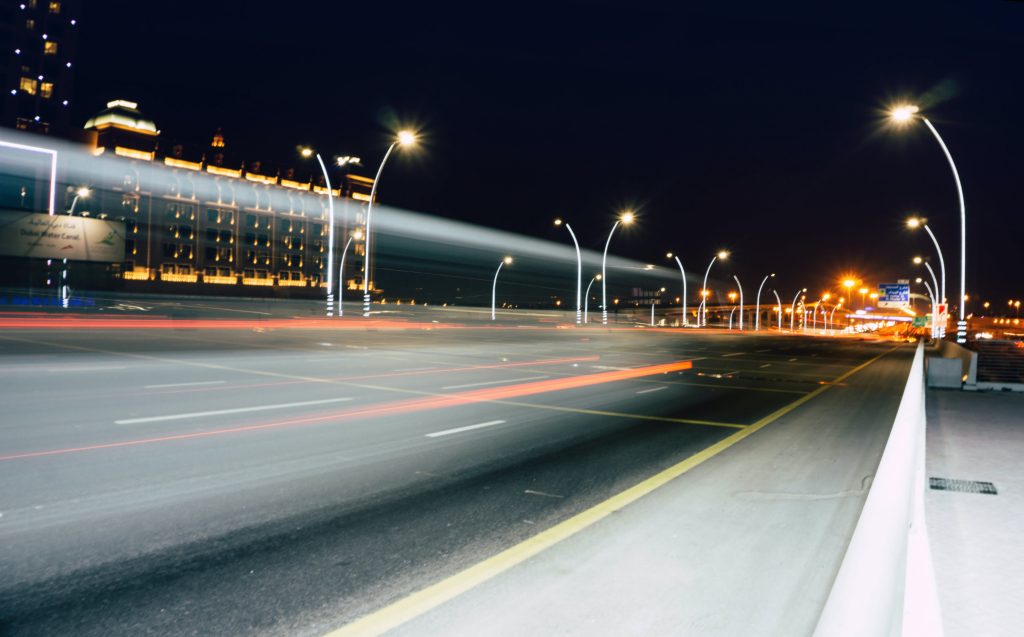
As the glittering cityscape embraced the Dubai Lamps, citizens reveled in reduced energy bills and an eco-friendly aura. The iconic Burj Khalifa, adorned with these futuristic lights, became a beacon of progress, captivating the world’s attention.
Why are Dubai lamps illegal?
Environmental Concerns
However, as the city dazzled in the night, concerns about the environmental impact started to emerge, casting a shadow on the once-praised innovation.
Impact on Wildlife
Local wildlife, particularly nocturnal creatures, faced unintended consequences. Birds, disoriented by the intense brightness, altered their flight patterns, and insects struggled to navigate, disrupting the delicate balance of Dubai’s urban ecosystem.
For example, migratory birds, relying on natural cues for navigation, found themselves confused by the unrelenting brightness, leading to an unintended interference in their migratory routes.
Light Pollution
Dubai’s transformation into a sparkling oasis came at a cost—the night sky lost its stars. The pervasive glow interfered with astronomical observations and altered the behavior of nocturnal animals, with some struggling to adapt to an environment bathed in perpetual light.
Astronomers, once drawn to Dubai’s skyline for stargazing, found their celestial observations thwarted by the unintended consequences of excessive light.
Energy Consumption
Despite claims of energy efficiency, the overall energy consumption of Dubai Lamps raised eyebrows. The allure of a sustainable city clashed with the reality of heightened energy demands, prompting questions about the true ecological impact.
The glitzy skyline, although a testament to progress, inadvertently became a symbol of unsustainable energy consumption, challenging the very essence of Dubai’s commitment to a green future.
Health Concerns
Beyond environmental woes, concerns about the health effects on Dubai’s residents became a pivotal aspect of the controversy.
Effects on Human Health
The relentless brightness of Dubai Lamps led to discomfort and raised concerns about potential health hazards. The glare, akin to staring into the sun, posed risks to eye health and overall well-being.
Reports surfaced of an uptick in cases of eye strain and related issues, sparking a health crisis that caught both residents and health experts off guard.
Potential Hazards
As the health implications became apparent, the once-admired lights turned into potential hazards. Residents questioned the trade-off between a futuristic cityscape and the well-being of those living under its luminous embrace.
Medical professionals highlighted the need for a balanced approach, urging authorities to prioritize both technological progress and public health.
Legal Regulations
In response to the growing concerns, legal bodies stepped in to assess the compliance of Dubai Lamps with established standards.
Local Laws and Regulations
Dubai’s authorities, known for their progressive outlook, found themselves reevaluating existing laws. Balancing the desire for technological innovation with environmental and health considerations became a delicate act.
Local lawmakers faced the challenge of aligning Dubai’s vision of a smart city with the unforeseen consequences of its luminous transformation.
International Standards
The global stage also turned its gaze toward Dubai. International bodies scrutinized Dubai Lamps, evaluating their adherence to established standards and regulations.
Dubai’s experience served as a cautionary tale for cities worldwide, prompting a reevaluation of their own lighting solutions in line with international norms.
Criticisms and Controversies
Public Response
As concerns escalated, the public, once enamored by the radiant skyline, took to social media to voice their discontent. Hashtags like #SaveOurSkies and #DimTheLights trended, creating a digital chorus demanding change.
Ordinary citizens, fueled by a desire to protect their city’s natural beauty, became inadvertent activists, leveraging the power of social media to influence change.
Expert Opinions
Environmentalists and health experts joined the conversation, emphasizing the need for a recalibration of priorities.
Environmental organizations, such as the World Wildlife Fund, drew attention to the unintended consequences, calling for a more thoughtful approach to urban lighting solutions.
Alternatives to Dubai Lamps
Sustainable Lighting Solutions
With Dubai Lamps banned, attention shifted to alternative lighting solutions that prioritize sustainability.
LED Technology
LED lights emerged as a frontrunner, offering energy efficiency without compromising brightness. Cities globally looked to LEDs as a beacon of hope for a sustainable lighting future.
For example, cities like Tokyo and London embraced LED technology, signaling a shift toward more eco-friendly and energy-efficient urban lighting.
Solar-powered Lighting
Harnessing the power of the sun, solar-powered lighting solutions gained traction as a viable and eco-friendly alternative to Dubai Lamps.
Cities in sun-rich regions, such as Los Angeles and Sydney, adopted solar-powered streetlights, blending modernity with environmental consciousness.
Healthier Lighting Options
Acknowledging the importance of lighting on human well-being, experts explored alternatives that prioritize health.
Circadian Lighting
Circadian lighting, designed to mimic the natural rhythms of daylight, gained popularity for its potential positive impact on human health and well-being.
In places like Copenhagen and Amsterdam, circadian lighting solutions were integrated into urban planning, creating environments that promote a healthy lifestyle.
Warm vs. Cool Lighting
A nuanced approach to lighting choices, considering the color temperature, emerged as a key factor in creating spaces that are both visually appealing and health-conscious.
For instance, healthcare facilities worldwide adopted warmer lighting to create a more soothing and healing environment for patients.
Government and Industry Responses
Dubai Government’s Stance
Faced with mounting concerns, the Dubai government took decisive action to address the controversy.
Official Statements
In official statements, authorities acknowledged the unintended consequences of Dubai Lamps and outlined plans for a more sustainable and health-conscious lighting strategy.
Dubai’s commitment to change was echoed in official announcements, emphasizing a redefined vision that prioritizes the well-being of both the city and its residents.
Policy Changes
Revisions to existing policies signaled a commitment to a greener and healthier future, emphasizing the need for a balanced approach to technological advancements.
The revised policies reflected a maturation in Dubai’s approach, showcasing a willingness to learn from the unintended consequences of its ambitious lighting project.
Industry Reactions
The lighting industry, impacted by the ban, responded with innovation and adjustments.
Impact on Lighting Industry
The ban prompted a reevaluation within the lighting industry, leading to the development of more environmentally friendly and health-conscious lighting solutions.
Lighting companies redirected their focus toward research and development, seeking solutions that marry technological advancements with ecological responsibility.
Innovations and Adjustments
Companies, once captivated by the allure of Dubai Lamps, redirected their efforts toward innovations that align with evolving societal and environmental priorities.
The controversy served as a catalyst for industry-wide introspection, prompting a shift toward more responsible and sustainable lighting solutions.
Future Outlook
Research and Development
The controversy spurred increased investment in research and development, paving the way for advancements in lighting technology.
Advancements in Lighting Technology
Ongoing research promises lighting solutions that combine the best of technology, sustainability, and health-conscious design.
For instance, researchers globally are exploring bio-inspired lighting solutions that mimic natural light, providing the benefits of both innovation and well-being.
Sustainable and Healthy Lighting Trends
A shift towards sustainable and health-conscious lighting trends is expected to shape the future of urban landscapes globally.
Cities worldwide are adopting a more holistic approach to urban planning, integrating lighting solutions that prioritize both environmental sustainability and public health.
Potential Reversal of Illegalization
As the dust settles, the possibility of a reassessment of the ban looms on the horizon.
Policy Revisions
Continued dialogue between authorities, experts, and the public may lead to policy revisions, allowing for a more nuanced and balanced approach to lighting solutions.
Public engagement and collaboration with experts will be crucial in shaping policies that reflect the evolving understanding of the intersection between technology, environment, and human well-being.
Collaborative Efforts
Collaboration between the government, industry, and the public will be crucial in navigating the path forward, ensuring a harmonious coexistence between technological progress and environmental stewardship.
Cities globally are exploring collaborative initiatives, recognizing that addressing the challenges of urban lighting requires a collective effort.
Conclusion
In conclusion, the ban on Dubai Lamps serves as a poignant reminder of the delicate balance between technological advancements and their unintended consequences. As we move towards a future illuminated by sustainable, eco-friendly, and health-conscious lighting solutions, the journey will undoubtedly be guided by a collective effort to create a brighter and more balanced world. The controversy surrounding Dubai Lamps may have dimmed their glow, but it has ignited a beacon of awareness that will shape the future of urban lighting for generations to come. The lessons learned from Dubai’s experience will illuminate the path toward a more sustainable and harmonious coexistence between technology and nature.
Read about : Nuru Massage in Dubai