
Dubai 1980 vs Now
In the shimmering sands of the Arabian Desert, Dubai’s journey from a modest town in 1980 to a global metropolis today is nothing short of a captivating tale. Once a city reliant on oil revenue, Dubai now stands as a testament to visionary leadership and unbridled ambition. Join us on a time-traveling expedition as we uncover the layers of this remarkable transformation.
Present-day Dubai is a treasure trove of iconic attractions that showcase the city’s unparalleled blend of modernity and tradition. Here are some key attractions that draw millions of visitors each year:
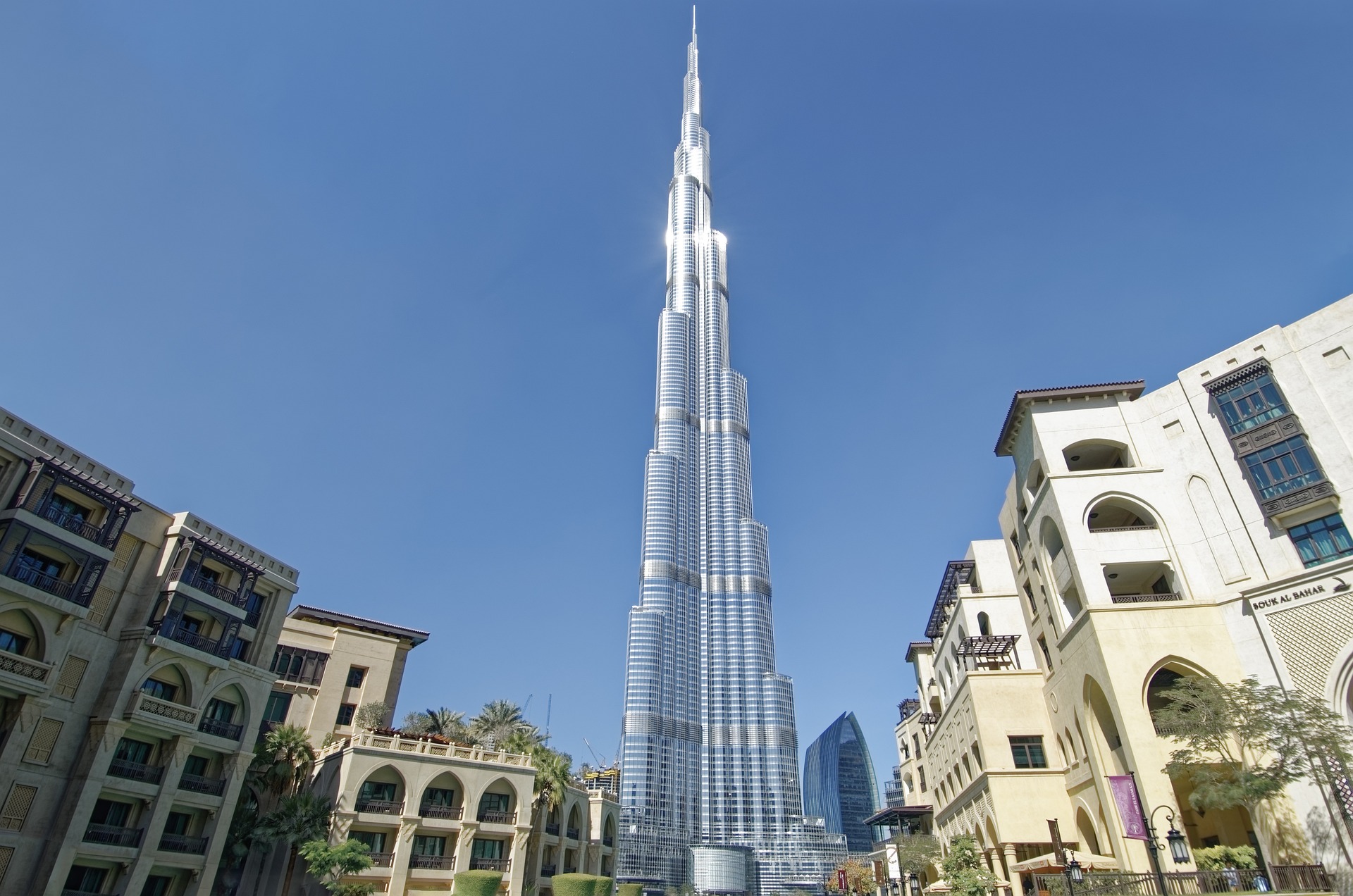
- Burj Khalifa:
- A symbol of Dubai’s ambition, the Burj Khalifa is the world’s tallest building, offering panoramic views of the city from its observation decks.
- Dubai Mall:
- A shopper’s paradise, the Dubai Mall is not just a retail center but an entertainment hub with an indoor ice rink, an aquarium, and the mesmerizing Dubai Fountain.
- Palm Jumeirah:
- An artificial archipelago in the shape of a palm tree, Palm Jumeirah hosts luxurious resorts, pristine beaches, and unparalleled views of the city’s skyline.
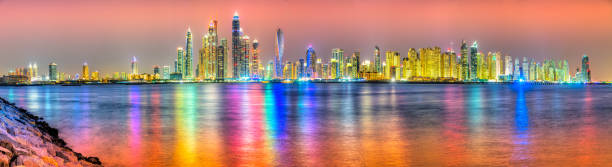
- Dubai Marina:
- A modern urban district with a stunning skyline, Dubai Marina is lined with upscale restaurants, trendy boutiques, and vibrant nightlife.
- The Dubai Fountain:
- Adjacent to the Burj Khalifa and Dubai Mall, the Dubai Fountain is a captivating water and light show set on the artificial lake at the base of the Burj Khalifa.
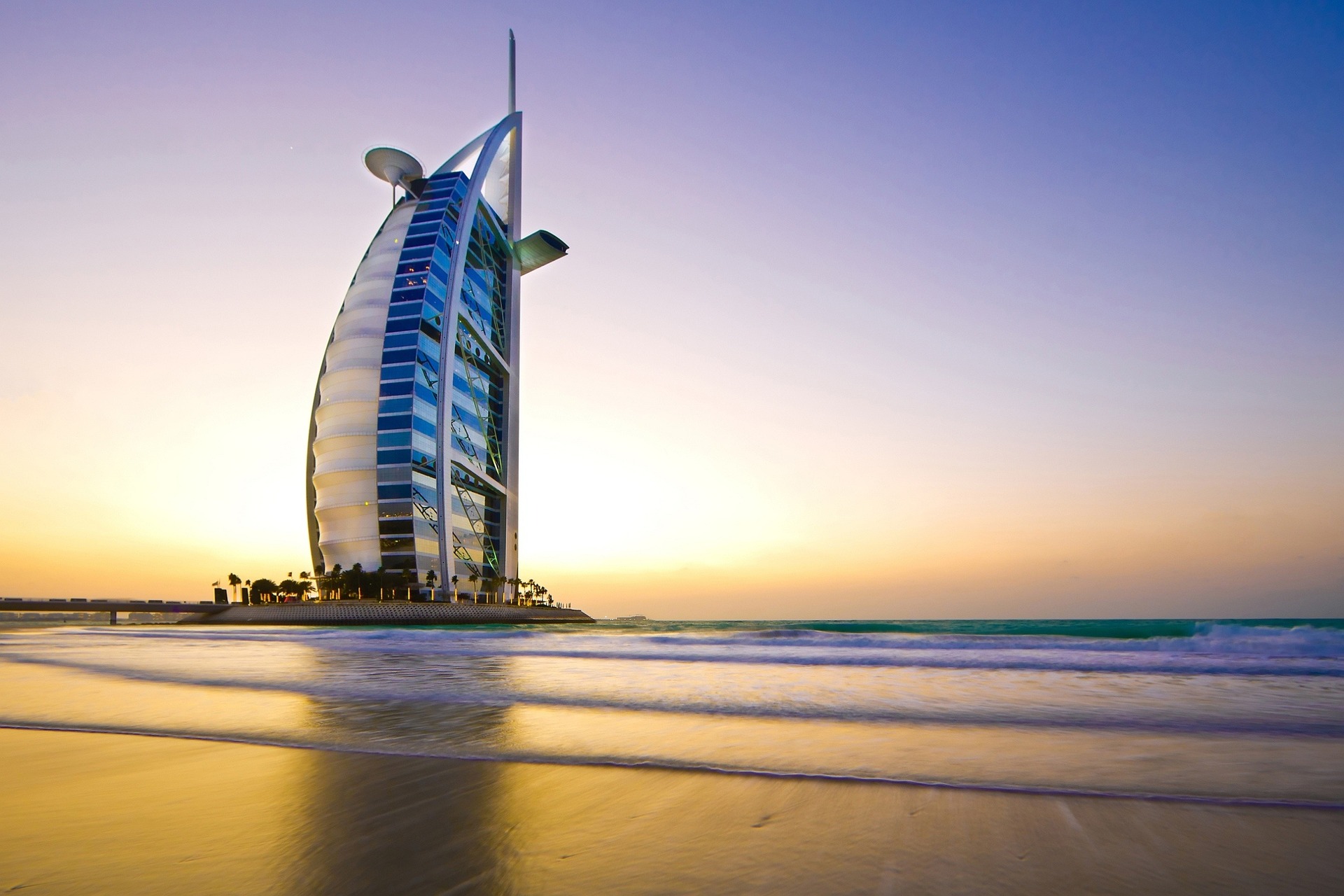
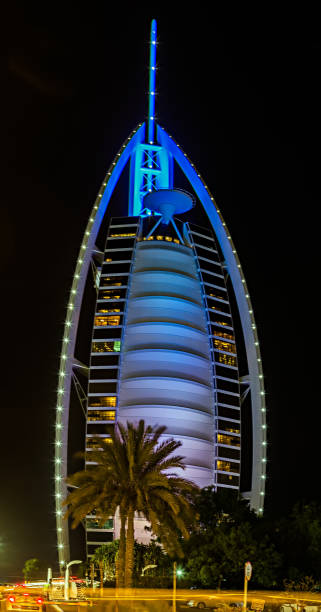
- Burj Al Arab:
- Often referred to as the world’s only seven-star hotel, the Burj Al Arab is an architectural marvel located on its own island, offering opulent accommodations and dining experiences.
- Dubai Opera:
- A cultural beacon, Dubai Opera hosts a variety of performances, from operas and ballets to concerts and theater productions.
- Global Village:
- An annual multicultural festival, Global Village brings together diverse cultures, offering visitors a journey around the world through pavilions, performances, and cuisines.
- Ski Dubai:
- Located in the Mall of the Emirates, Ski Dubai is an indoor ski resort where visitors can experience snow in the middle of the desert.
- Dubai Creek:
- A historic waterway, Dubai Creek is a charming contrast to the city’s modern skyline. Visitors can take traditional abra rides and explore the old souks on either side of the creek.
These attractions collectively contribute to Dubai’s status as a global tourism hub, offering a dynamic and diverse range of experiences for visitors from around the world.
Economic Development
In the early ’80s, Dubai was navigating the economic challenges that come with reliance on oil. The revenue was substantial, but the diversification bug had yet to bite. Fast forward to today, and Dubai has not only weathered economic storms but has emerged as a diversified powerhouse. The real estate sector, for instance, has blossomed into a symbol of extravagance with the Burj Khalifa, an architectural marvel that pierces the sky, redefining the city’s skyline and economic landscape. Tourism, another key player in this economic renaissance, has seen the birth of attractions like the Dubai Mall, a shopping extravaganza that welcomes millions each year, contributing significantly to the economic tapestry.
Infrastructure
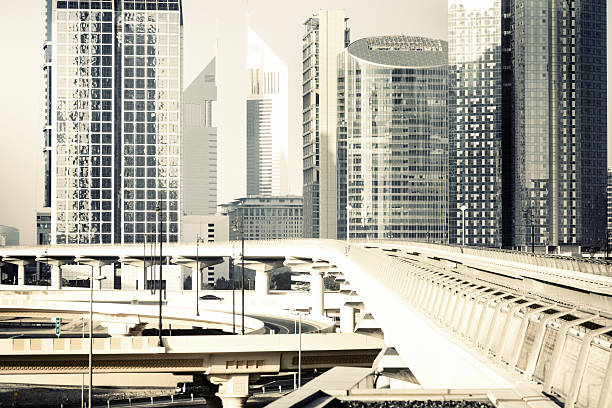
In 1980, Dubai’s roads were more akin to trails, and transportation was a modest affair. Fast forward, and Dubai’s infrastructure has undergone a seismic shift. The Dubai Metro, a shining example of modernity, snakes through the city, providing not just transportation but a visual spectacle. The Palm Jumeirah, an artificial archipelago, stands as a testament to engineering prowess, transforming the coastline and offering a lifestyle synonymous with luxury. The transformation is not just about erecting structures; it’s about creating a cityscape that resonates with the aspirations of millions.
Urbanization and Population
Back in 1980, Dubai’s population was a tapestry of local communities with a sprinkling of expatriates. Today, the city is a vibrant melting pot, a convergence of cultures, languages, and dreams. The Dubai Marina, once a stretch of coastline, is now a bustling urban district, lined with skyscrapers, reflecting the multicultural fabric of the city. The expatriate population, once a novelty, is now an integral part of Dubai’s identity, contributing to its cosmopolitan charm.
Tourism
In the ’80s, Dubai was a hidden gem, with limited attractions. Today, it’s a global tourism hub, attracting visitors from around the world. The Burj Khalifa, an architectural marvel, offers panoramic views that extend to the horizon. The Dubai Mall, a shopping and entertainment mecca, isn’t just a retail center; it’s an experience. The Dubai Fountain, a choreography of water and light, mesmerizes spectators nightly. These attractions aren’t just landmarks; they’re storytellers, narrating Dubai’s journey from desert solitude to global prominence.
Cultural and Social Changes
In 1980, Dubai’s culture mirrored its Bedouin roots, with limited cultural events. Today, the city hosts events like the Dubai Shopping Festival, a month-long extravaganza that transforms the city into a shopper’s paradise. The Global Village, an annual carnival celebrating diversity, showcases the city’s embrace of global influences. Dubai Opera, a cultural beacon, hosts performances that span genres and continents. The transformation isn’t just in infrastructure; it’s in the heartbeat of the city, pulsating with the rhythms of a global society.
Technological Advancements
Imagine 1980, where technology was more mirage than reality. Today, Dubai has not just embraced technology; it has become a smart city where innovation is woven into the fabric of daily life. The Burj Khalifa isn’t just an architectural marvel; it’s a testament to engineering and technological prowess, with its state-of-the-art elevators and smart building systems. The Dubai Police’s adoption of futuristic technologies like autonomous patrol vehicles showcases a commitment to harnessing innovation for the greater good. The transformation isn’t just in the cityscape; it’s in the pulse of everyday life, where technology seamlessly integrates into the narrative.
Environmental Impact
In the ’80s, environmental considerations in Dubai were as scarce as rainfall in the desert. Today, the city has undertaken ambitious sustainable development projects. The Sustainable City, a residential development, is a testament to the commitment toward eco-friendly living. The Dubai Desert Conservation Reserve, a haven for indigenous flora and fauna, reflects a paradigm shift toward environmental consciousness. The transformation isn’t just in structures; it’s in the ethos of the city, evolving from a consumer of resources to a steward of nature.

Conclusion
Dubai’s evolution from 1980 to now is a saga of resilience, audacity, and unbridled ambition. As we stand amidst the towering structures, the bustling urban landscape, and the kaleidoscope of cultures, one can’t help but marvel at the phoenix that has risen from the sands. Dubai’s story is not just a tale of two timelines; it’s a narrative of possibilities, dreams, and the relentless pursuit of excellence.
In a world where change is constant, Dubai remains a beacon, not just for the Middle East but for the global community. The journey is far from over, and the city’s skyline, a canvas of aspiration, invites us to dream bigger, reach higher, and, like Dubai, transform the ordinary into the extraordinary. Here’s to Dubai: a city that has not just embraced change but has mastered the art of shaping its destiny. Dubai 1980 vs Now is a chronicle of a city that dared to dream and turned those dreams into a reality, a reality that continues to inspire generations.