
If you’ve ever marveled at the futuristic skyline of Dubai or dreamt of strolling through its opulent malls, you might have pondered, “Is Dubai a third world country?” The answer, my friend, is a bit nuanced. Let’s embark on a journey through the economic deserts and cultural oases to understand the United Arab Emirates’ (UAE) development status.
Sand and Skyscrapers
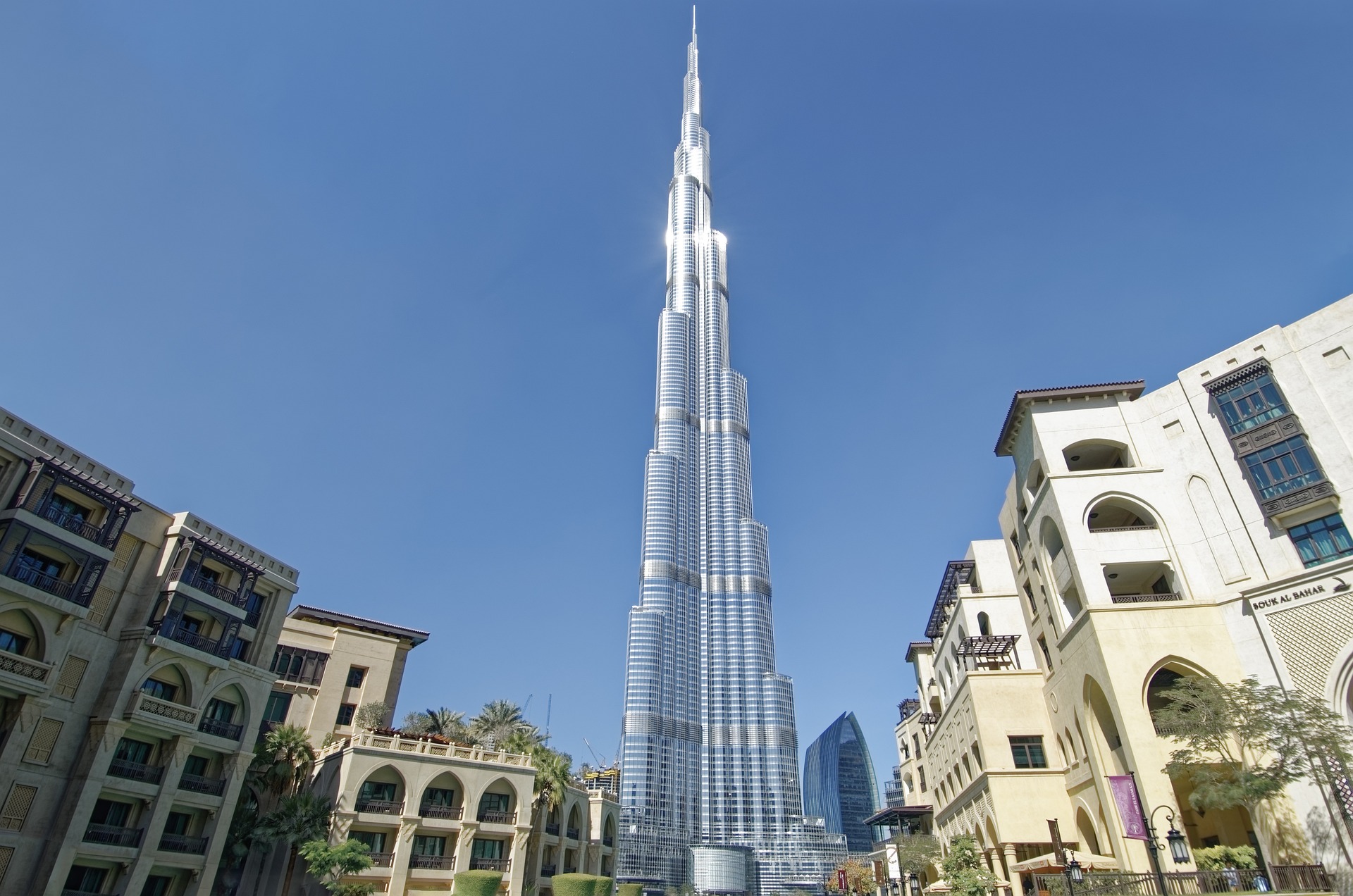
Dubai, with its glittering skyline and extravagant lifestyle, is the epitome of modernity rising from the desert. Yet, before labeling it, “third world,” let’s delve into the intricacies that shape the UAE’s landscape.
Understanding the UAE’s Development Status
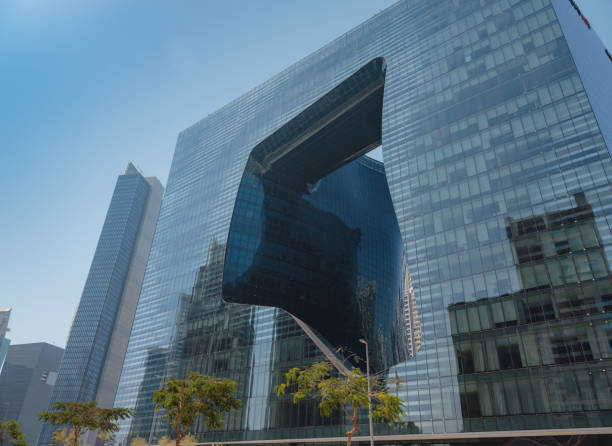
Economic Mirage: Dubai, akin to an economic oasis, has successfully diversified its income streams. The UAE’s GDP per capita is substantial, fueled historically by oil. However, the government’s astute economic policies have transformed Dubai into a global financial hub. Take the example of the Dubai International Financial Centre (DIFC), a free zone contributing significantly to the country’s non-oil GDP.
In stark contrast to the struggling economies often associated with the third world, the UAE has strategically embraced economic diversification, reducing reliance on oil revenues. The result? A thriving economy that beckons global investors and tourists alike.
HDI: Now, let’s talk about the Human Development Index (HDI), a yardstick that gauges education, healthcare, and overall quality of life. The UAE, particularly Dubai, boasts impressive scores. Take education, for instance. Dubai’s Knowledge and Human Development Authority (KHDA) ensures quality education, evident in institutions like the American University in Dubai.
In contrast to the stereotypical third world narrative, Dubai shines with gleaming infrastructure, stellar healthcare, and educational initiatives. The skyscrapers aren’t just towering buildings; they symbolize a commitment to a high standard of living.
Dubai’s Position in the Global Context
International Relations: Zooming out, let’s examine Dubai’s place on the global stage. While not a member of NATO, the UAE actively engages in diplomatic relations, fostering economic partnerships and alliances. The Expo 2020 Dubai is a testament to this, showcasing international collaboration.
In the grand mosaic of international relations, Dubai’s status aligns more with a developing nation that seeks collaboration rather than isolation.
Political Landscape: Now, let’s wade into the political waters. The UAE’s governance structure is more akin to a constitutional monarchy, providing stability in a region often marked by turbulence. Sheikh Mohammed bin Rashid Al Maktoum’s leadership has been instrumental in steering Dubai toward prosperity.
Unlike the political upheavals typical of some third world countries, the UAE has maintained a steady course, fostering an environment conducive to economic growth and development.
Human Rights in the UAE
Navigating the Human Rights Maze: When discussing the UAE, human rights invariably enters the conversation. Critics often point to perceived shortcomings, but it’s essential to examine the country’s legal framework and recent developments. The example of the 2020 legal reforms granting citizenship to certain expatriates illustrates a commitment to inclusivity.
While not without criticism, the UAE has made strides in enhancing human rights, aligning its practices more closely with developed nations than those typically associated with the third world.
Comparisons with First World Countries: Enter NATO, a club of nations often considered the epitome of the first world. Dubai’s exclusion from this club doesn’t automatically relegate it to third world status. Take Switzerland, a developed nation with no NATO membership. Dubai’s human rights rankings are evolving, akin to nations on a trajectory of improvement.
In the tapestry of human rights rankings, the UAE may not be leading, but it’s threading its way through improvements, aiming for a canvas that mirrors the standards of developed nations.
Socio-Cultural Factors
Diversity and Inclusivity: Dubai’s demographic makeup is a harmonious blend of cultures and nationalities, a testament to its commitment to diversity and inclusivity. The Global Village, an annual cultural extravaganza, showcases this vibrant tapestry.
Unlike the homogeneity often associated with third world nations, Dubai stands as a melting pot where various cultures converge, creating a vibrant and cosmopolitan society.
Social Welfare Programs: The UAE’s commitment extends beyond economic endeavors. Healthcare and education initiatives underscore its dedication to social welfare. The Dubai Healthcare City and the Mohammed bin Rashid Al Maktoum Foundation exemplify these efforts.
In a departure from the narrative of neglect, the UAE invests in its citizens, building a social support system that echoes the values of developed nations.
Challenges and Areas for Improvement
Identified Development Gaps: No journey is without obstacles. The UAE faces economic disparities and social inequality, challenges that echo across the global landscape. Vision 2030, a strategic roadmap, addresses these issues, emphasizing economic diversification and social equality.
Acknowledging the shadows amid the glitz, the UAE, particularly Dubai, actively seeks to bridge these gaps, with initiatives like Vision 2030 charting a course toward a more equitable future.
Government Initiatives for Progress: Here, we encounter the forward-looking policies and sustainable development goals embraced by the UAE government. Masdar City, a sustainable urban development, exemplifies the commitment to environmental responsibility.
Unlike the stagnant narratives associated with struggling nations, Dubai’s initiatives paint a picture of progress, with a commitment to sustainable growth and social well-being.
Economic Diversification
Dubai’s journey from a desert emirate to a global economic hub is intrinsically linked to its proactive approach to economic diversification. Historically dependent on oil revenues, the emirate recognized the vulnerabilities associated with a one-dimensional economy and embarked on a strategic mission to broaden its economic base.
The Role of Oil in Transition
Dubai’s initial prosperity rode on the back of oil exports, with crude oil constituting a significant portion of its GDP. However, visionary leaders foresaw the risks of dependence on a finite resource vulnerable to market fluctuations. The government, spearheaded by Sheikh Rashid bin Saeed Al Maktoum in the 1970s, began charting a course toward economic diversification.
Creating a Business-Friendly Environment
Dubai’s leaders recognized the importance of creating an environment conducive to business and innovation. They implemented policies and established free zones that attracted foreign investment, fostering entrepreneurship and economic dynamism. One of the prime examples is the establishment of the Jebel Ali Free Zone (JAFZA) in 1985, which offered tax exemptions and streamlined business processes, encouraging multinational corporations to set up regional bases.
Tourism Boom
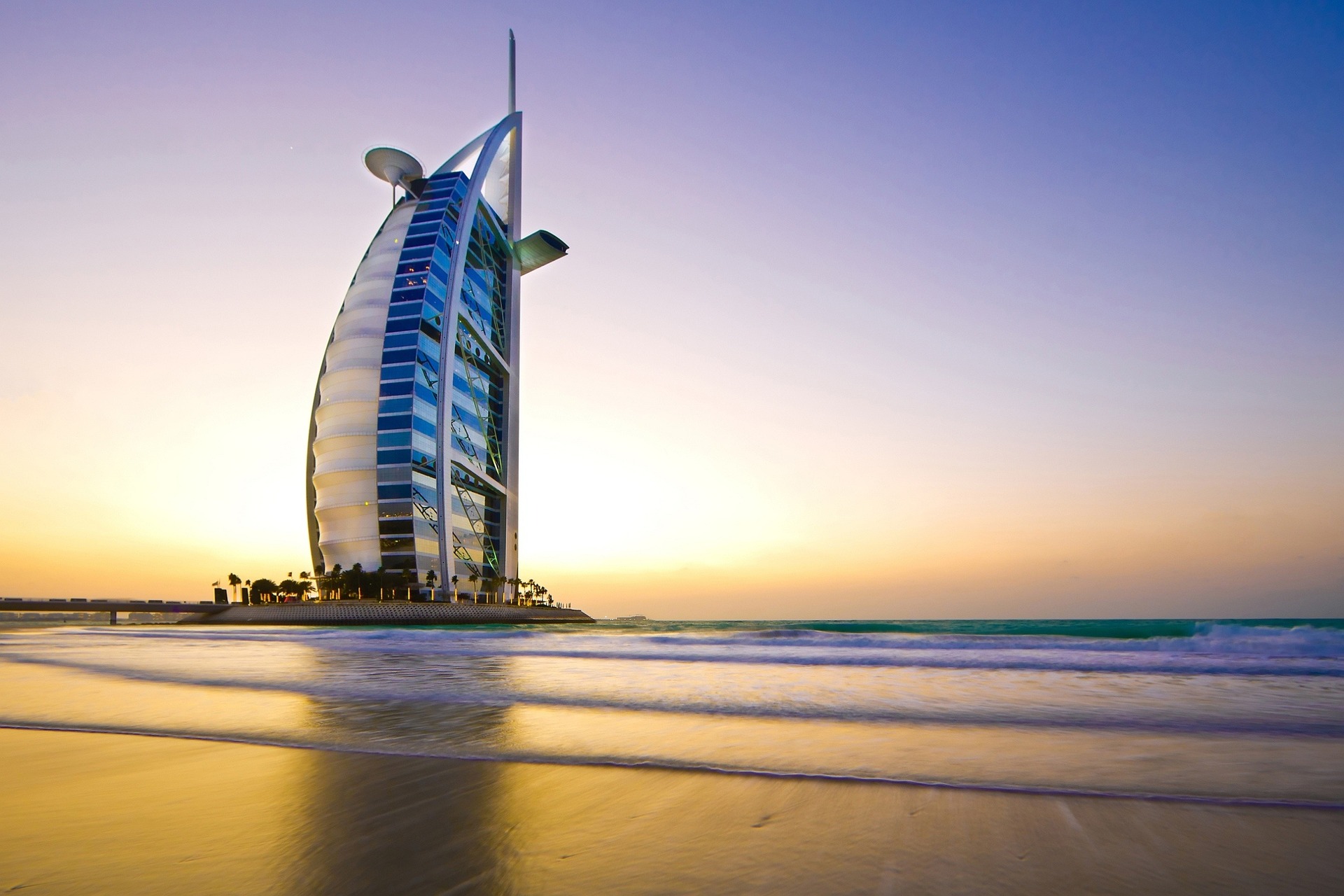
In the late 20th century, Dubai strategically pivoted towards tourism as a key economic driver. The iconic Burj Al Arab, often touted as the world’s only seven-star hotel, and the creation of man-made wonders like the Palm Jumeirah and the Dubai Mall became symbols of Dubai’s ambition to position itself as a global tourist destination.
The Expo 2020 Dubai, a monumental event showcasing innovation and international collaboration, exemplifies Dubai’s commitment to leveraging major events to boost tourism and diversify its economy.
Financial Sector Flourish
Dubai’s financial sector has undergone a remarkable transformation. The establishment of the Dubai International Financial Centre (DIFC) in 2004 created a regulatory framework in line with international standards, attracting major global financial institutions. Today, the DIFC stands as a testament to Dubai’s success in becoming a financial hub, offering a gateway for businesses looking to access markets in the Middle East, Africa, and South Asia.
Technological Leap
In recent years, Dubai has harnessed the power of technology to drive diversification. The launch of initiatives like Smart Dubai, aimed at leveraging technology for efficiency and sustainability, showcases the emirate’s commitment to staying at the forefront of the digital revolution.
Additionally, projects like the Dubai Internet City and Dubai Media City have attracted tech and media companies, contributing to the burgeoning knowledge economy.
Green Economy
Recognizing the global shift towards sustainability, Dubai has incorporated green initiatives into its economic diversification strategy. The Mohammed bin Rashid Al Maktoum Solar Park stands as one of the largest solar projects globally, highlighting Dubai’s commitment to renewable energy.
Conclusion
In the sands of Dubai, the answer to the question “Is Dubai a third world country?” is elusive. The UAE, with Dubai at its forefront, defies simplistic categorization. It is a developing nation that has transformed its arid landscape into a flourishing oasis, blending tradition with modernity.
In a world painted with shades of economic nuances, Dubai’s skyline isn’t just a mirage; it’s a testament to resilience, innovation, and a commitment to progress. As the UAE continues to navigate the global stage, the narrative of development unfolds, challenging preconceived notions and inviting the world to witness a modern marvel in the making.