
Is Twerking Illegal in Dubai?
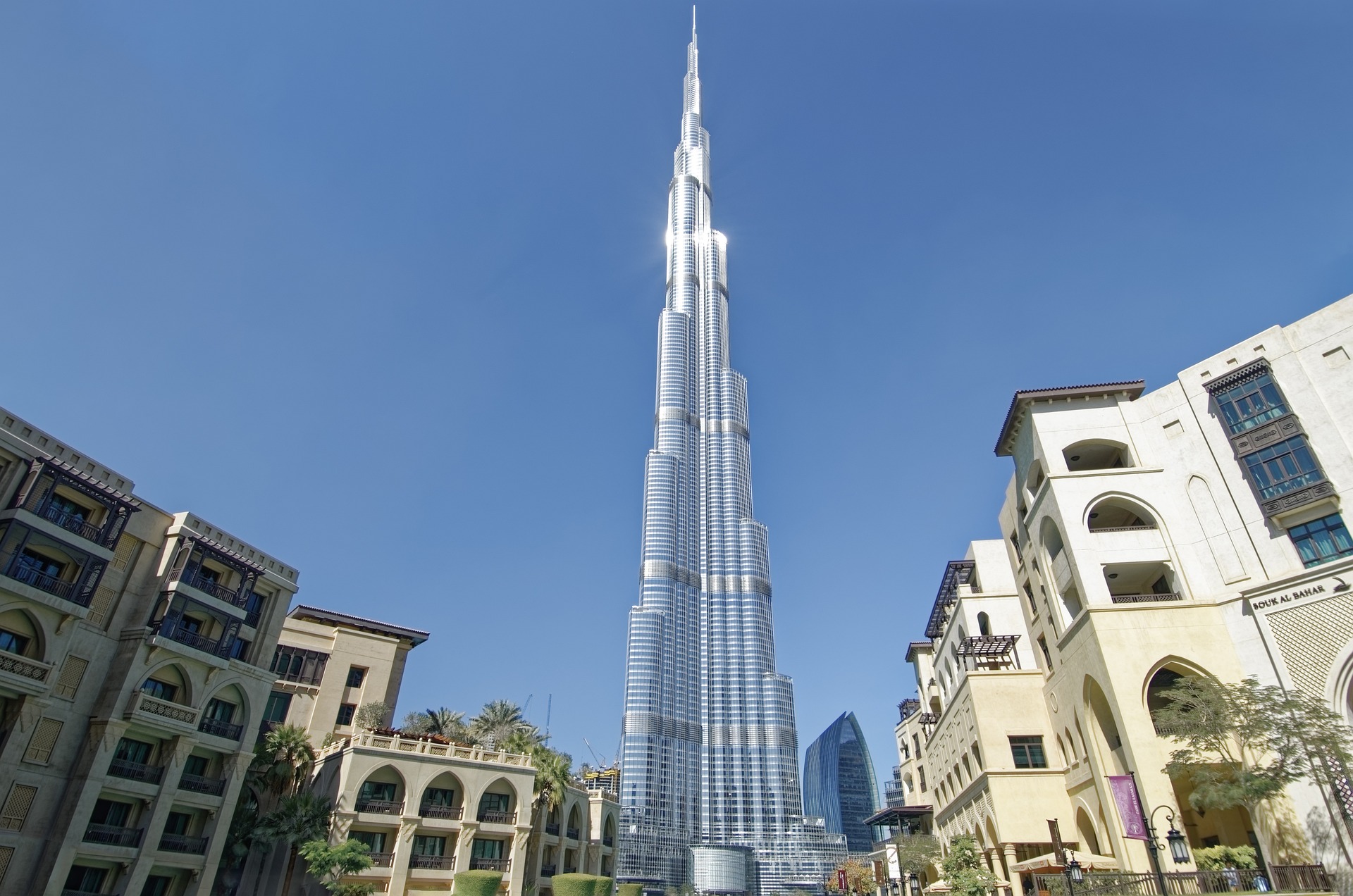
Dubai, with its towering skyscrapers and a population as diverse as its skyline, is a city that encapsulates a harmonious blend of tradition and modernity. However, the question of whether twerking, a dance form known for its rhythmic hip movements and low squatting stances, is illegal in Dubai sparks intrigue and inquiry.

Read More : What are people in Dubai called?
Twerking : what is it?
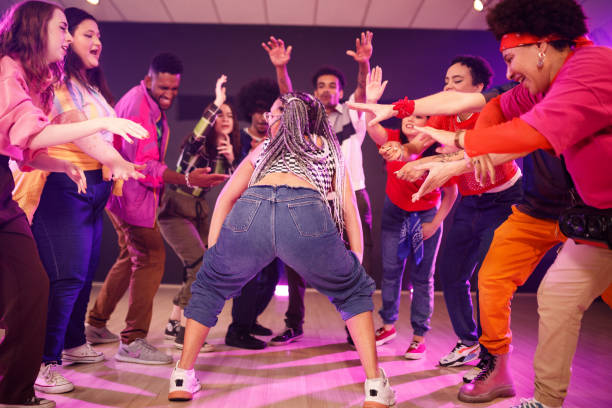
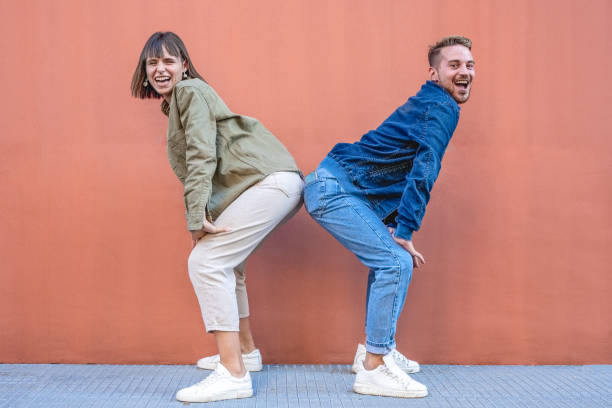
Twerking, a dance form characterized by rhythmic hip movements and a low squatting stance, has gained international recognition and sparked diverse conversations about cultural expression, identity, and its societal reception.
Emerging from African and Caribbean dance traditions, twerking has evolved into a global phenomenon, finding its way into music videos, social media platforms, and dance studios worldwide.
The dance involves rapid and repetitive movements of the hips, often in a bouncing or shaking motion. Twerking has become synonymous with certain genres of music, particularly hip-hop and pop, and is often associated with empowerment, self-expression, and celebration of the human body.
In recent years, twerking has not only become a popular dance style but has also ignited debates about cultural appropriation, feminism, and the intersection of traditional values with modern trends. The dance form challenges societal norms, prompting discussions about freedom of expression, artistic boundaries, and cultural sensitivity.
As the popularity of twerking has grown, so has its visibility in various cultural contexts. However, its reception varies significantly from one community to another, with cultural, religious, and legal factors influencing how twerking is perceived and regulated.
Understanding Twerking in the Dubai Context
Before we delve into the legal intricacies, let’s take a moment to understand the essence of twerking.
Originating from African and Caribbean dance traditions, twerking has transcended borders and become a global phenomenon, finding its way into music videos, social media, and dance studios worldwide.
In Dubai, where cultural values are deeply rooted, the public’s perception of twerking is shaped by a mosaic of traditional values and exposure to Western influences.
The question then arises: does this provocative dance style clash with the law in this unique cultural landscape?
Dubai’s Cultural Landscape
Dubai’s cultural identity is a mosaic, rich with Islamic traditions, Bedouin heritage, and a forward-looking global outlook. The city prides itself on being a melting pot of cultures, welcoming people from around the world.
However, this openness is accompanied by an expectation of a delicate balance between respecting cultural norms and embracing international influences.
In Dubai, public behavior is not only governed by a legal framework but is deeply intertwined with the principles of Sharia law. Sharia law, which draws heavily from Islamic teachings, guides many aspects of life, including public decency and morality.
Read more : Do they speak English in Dubai?
Legal Framework in Dubai: Navigating the Legal Tapestry
Dubai’s legal system is a unique blend of civil law and Sharia law, creating a nuanced framework that governs public conduct.
While the legal code in Dubai is extensive, twerking itself is not explicitly mentioned in the statutes. The legality often hinges on the context, the venue, and the reaction of the public.
For example, in 2018, a group of individuals faced legal consequences after a twerking performance in a public space was deemed offensive to cultural sensibilities.
The incident prompted authorities to reevaluate regulations regarding public performances, emphasizing the need for performers to align with cultural norms.
Public Perception: Dance, Culture, and the Media
The way twerking is perceived by the public in Dubai is crucial to understanding its legal implications. Social attitudes toward public display, cultural sensitivity, and the role of media all contribute to shaping opinions on this dance form.
In 2020, a video of a twerking flash mob at a popular tourist spot went viral, sparking debates about cultural identity and values. While some defended it as a form of self-expression, others argued that it breached cultural norms. Media coverage amplified these perspectives, showcasing the clash between modern trends and traditional values.
Nightlife and Entertainment Industry: Where Rules Apply
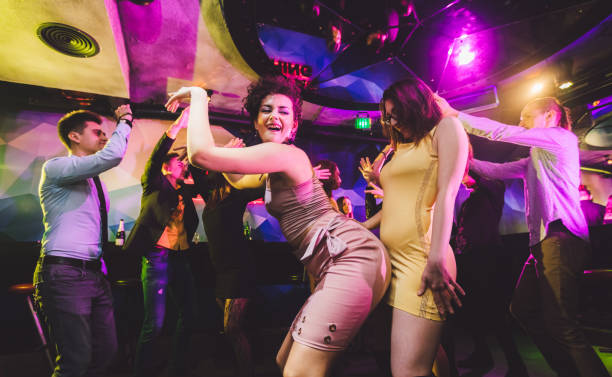
Dubai’s vibrant nightlife and entertainment industry add another layer to the twerking debate. Entertainment venues, from nightclubs hosting international DJs to concert halls featuring diverse performances, have their own set of rules and regulations for performers.
In 2019, a famous international artist faced legal consequences after incorporating twerking into their live performance. The incident highlighted the importance of performers adhering to guidelines that respect cultural norms, even in the realm of entertainment.
Unpacking Legal Consequences
To truly grasp the legal landscape surrounding twerking in Dubai, let’s explore some real-world case studies that shed light on outcomes and legal consequences.
In one instance, a dance troupe performing at a cultural event faced legal action due to the perceived violation of public decency. The incident prompted a broader conversation about the balance between artistic expression and cultural sensitivity, leading to a reevaluation of guidelines for public performances.
Twerking in Private Spaces
While public spaces adhere to strict regulations, the scenario changes when it comes to private spaces. Dubai recognizes the distinction between public and private behavior, allowing more flexibility in personal settings.
At weddings and private gatherings, twerking may find a more accepting audience. However, even in these settings, it’s crucial to be aware of cultural norms to avoid unintended legal repercussions.
Read more : Is Dubai Island beach free?
Evolution of Cultural Norms: Balancing Tradition and Modernity
Dubai’s cultural norms are not static. They evolve over time, adapting to global trends while preserving traditional values. The question of whether twerking is illegal reflects the ongoing negotiation between tradition and modernity.
As Dubai continues to embrace cultural diversity, finding a harmonious balance becomes essential. Twerking, as a cultural expression, remains part of this evolving narrative.
For example, the Dubai Shopping Festival featured a dance competition that included twerking, showcasing a more inclusive approach to cultural events.
Read more : Explore amazing sunrise and sunset time Dubai
Conclusion
In a city where tradition meets modernity, navigating the dance floor requires cultural sensitivity. Understanding Dubai’s legal framework, respecting social norms, and recognizing the evolving cultural landscape are paramount.
As we ponder the legality of twerking in Dubai, it becomes clear that the answer is nuanced. While twerking itself is not explicitly illegal, the context and cultural considerations play a pivotal role in shaping the legal landscape.
In conclusion, the dance floor in Dubai is a space where tradition and modernity converge. Twerking, like any form of expression, requires an awareness of cultural nuances to coexist harmoniously in this dynamic city.
As Dubai continues to evolve, so too will the conversations around twerking, reflecting the ever-changing tapestry of this global metropolis.